
Digital Marketing with AI · AI for Marketing
How AI Is Rewriting the Digital Marketing Playbook
From hyper-personalised campaigns to fully automated SEO workflows, artificial intelligence has moved from experiment to core infrastructure for marketers. Here is what actually changed and how to adapt.

Artificial intelligence has quietly moved from an experiment on the edge of marketing teams to the infrastructure underneath them. Campaign briefs, audience research, ad copy, landing-page variants and even the measurement layer now routinely begin with a machine-assisted draft.
From Tools to Teammates
The first wave of marketing AI answered questions. The current wave completes tasks. Instead of asking a chatbot what a good subject line looks like, marketers hand the system the whole brief: audience segments, product positioning, brand tone and last quarter's performance data. The model returns a campaign skeleton that humans refine rather than write from zero.
- Brief to campaign: one prompt now produces audience notes, angle options and channel sequencing.
- Continuous optimisation: models watch ad performance and reallocate budget between creatives without waiting for a weekly review.
- Content velocity: a small team can sustain publishing cadences that previously required an agency.
The winning teams are not the ones that use the most AI. They are the ones that keep a human accountable for taste, accuracy and brand judgement.
What Changed in Practice
Three shifts stand out. First, personalisation became genuinely scalable: retailers now generate thousands of message variants keyed to browsing history instead of a handful of personas. Second, search behaviour itself is fragmenting as AI assistants summarise results, which pushes marketers to optimise for answers, not just rankings. Third, measurement got smarter, with attribution models that explain why a channel performed rather than simply scoring it.
The new SEO reality
Ranking is no longer the finish line. If an AI assistant answers the user before they reach your site, your content needs to be quotable, structured and authoritative enough to be the source of that answer. Structured data, clear headings and first-party expertise now matter as much as keywords.
How to Adapt in the Next 90 Days
Treat AI adoption like any change programme. Pick one workflow that consumes the most hours per week, automate the drafts, and keep a human in the approval loop. Document the prompts and guardrails that work so the capability compounds instead of living in one person's head.
Brands that treat AI as a collaborator with clear human oversight are pulling ahead quietly. The gap is no longer between companies that have AI and those that do not. It is between teams that redesigned their process around it and teams that sprinkled it on top.
Reading time: 2 minutes
Related articles
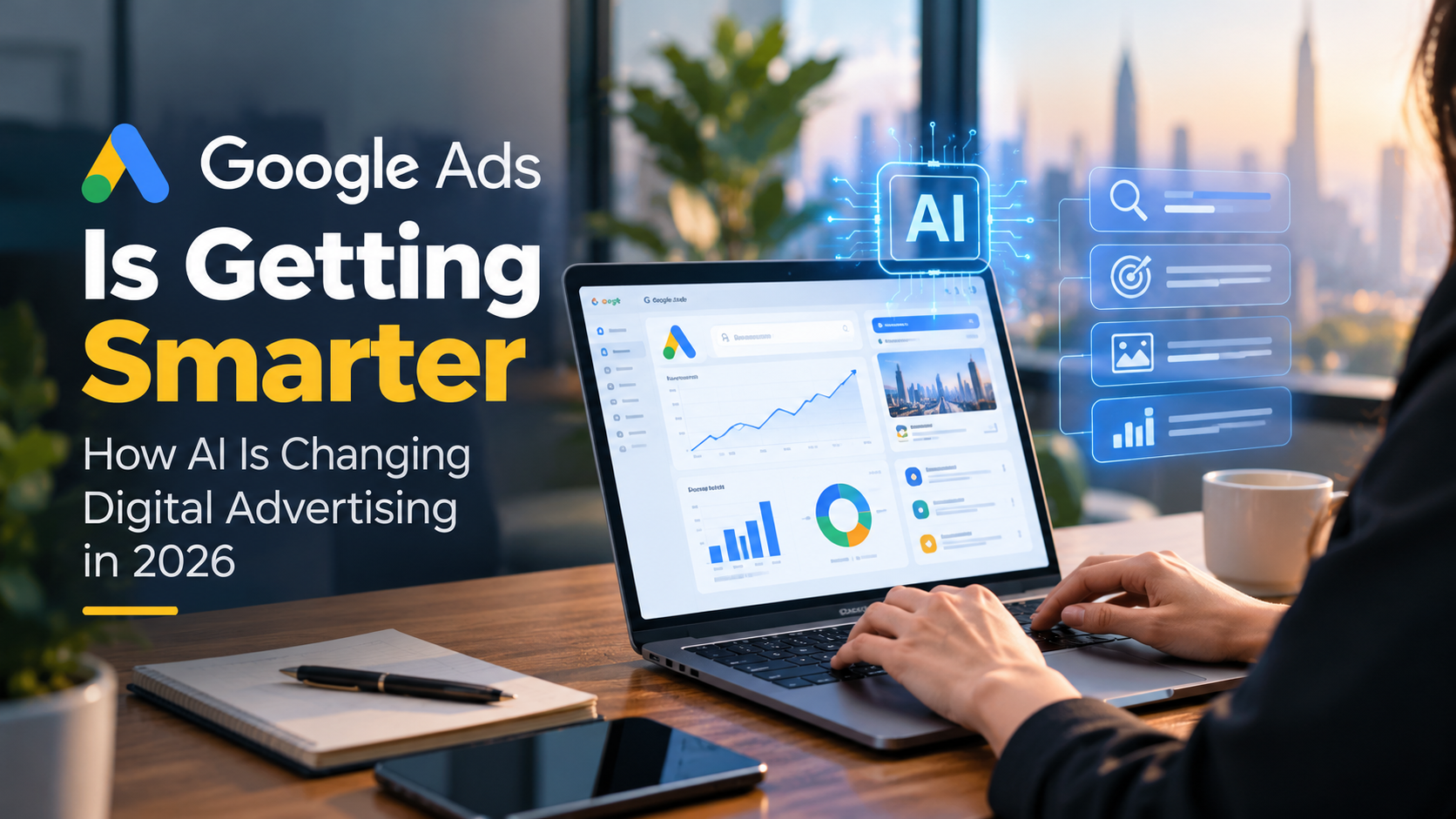
AI is changing digital advertising faster than ever. Google Ads is using AI to help businesses understand customer searches, create better ads, and improve campaign performance.

Dubai's real estate scene blends futuristic architecture, luxury living, and global investment opportunities. Explore the city's most sought-after communities and discover what makes Dubai property so appealing.

Seven quiet changes shaping the way we live, work and experience the world.
Enjoyed this story?
Get the next one by email. One message per new article, unsubscribe anytime.